Share of successful samples that mention the selected entity.
Public person · AI visibility profile
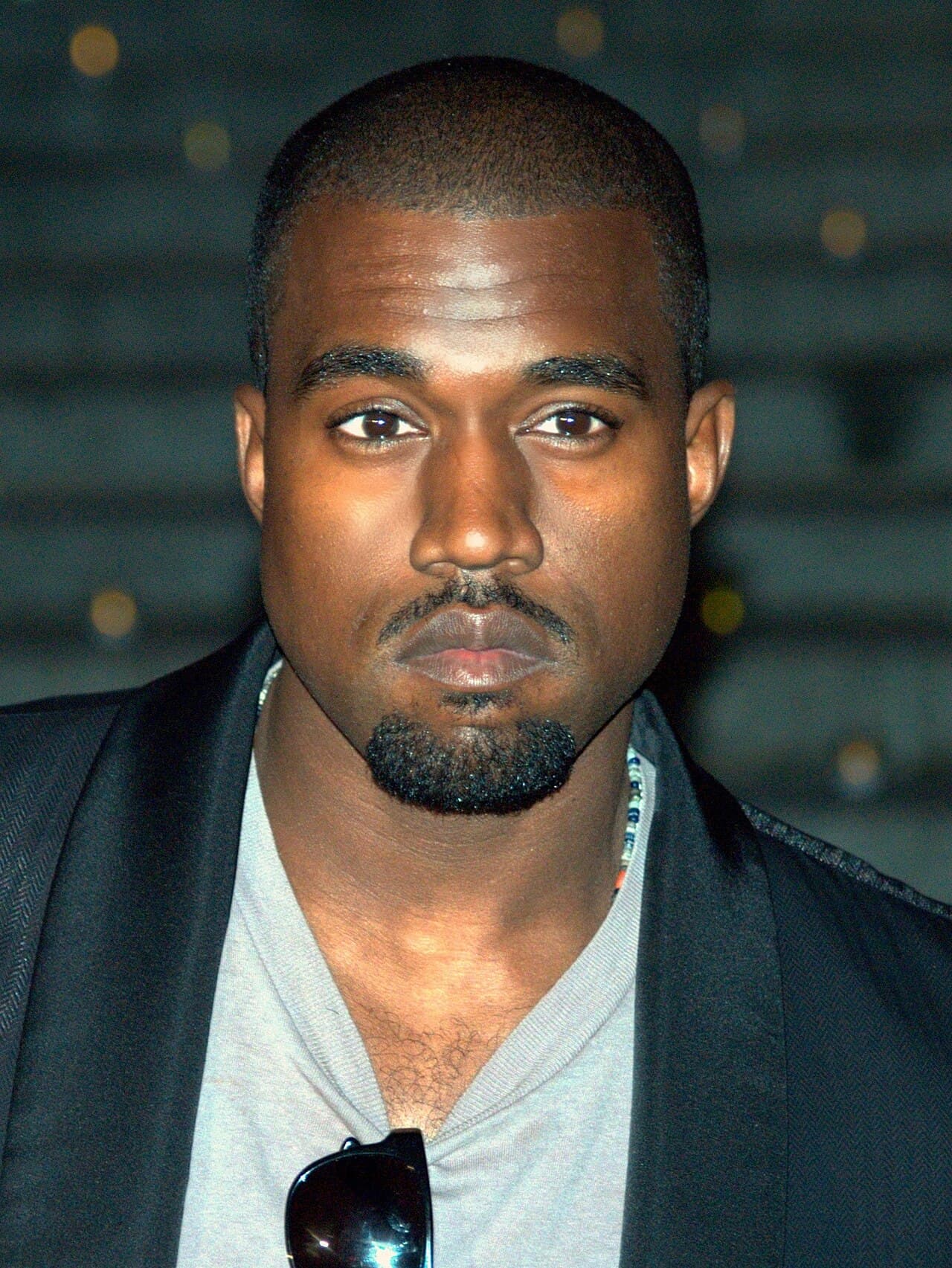
Travis Scott
in AI answers
Travis Scott is an American rapper, singer, and record producer celebrated for his atmospheric, ambient trap soundscapes and high-octane live performances.
Declared identityAmerican hip-hop artist born 1991; real name Jacques Webster II, creator of Rodeo, Astroworld, and Utopia.
Why measure Travis Scott?
Travis Scott's massive influence on trap production, immersive concert experiences, and brand collaborations (Cactus Jack) makes him a key subject for AI tests.
An eligible audit asks models a fixed set of unaided questions without naming Travis Scott. The evaluator then checks exact and declared aliases, list position, topic coverage, and stability across repetitions. The resulting number describes only that configuration and date.
What the evaluator watches for
01
Cactus Jack record label and brand partnership identity.
02
Pioneered virtual concert experiences (Fortnite Astronomical).
03
Signature auto-tuned vocal style and heavily layered atmospheric beats.
What an eligible result contains
Credit based on safe list position or a clear unranked mention.
Tested prompt categories containing at least one mention.
Stability of mentions across repeated versions of each prompt.
Travis Scott AI visibility FAQ
What is Travis Scott's AI Visibility Score?
There is no eligible public baseline yet. Fameproof deliberately shows a pending state instead of publishing a simulated or editorial score.
Does a higher score mean greater real-world fame?
No. It means more frequent and prominent appearance inside a declared AI-model test. Fame, reputation, audience size, achievement, and sentiment are different concepts.
How often can this profile update?
Standard memory measurements are refreshed no more than every 30 days unless the model version or methodology changes. An identical fresh audit is reused and creates no new AI provider requests.
Continue exploring
View all profiles